
 Date Posted: 30/10/2026
Caves, Coastlines & Countryside: Your Guide to Somerset & Devon
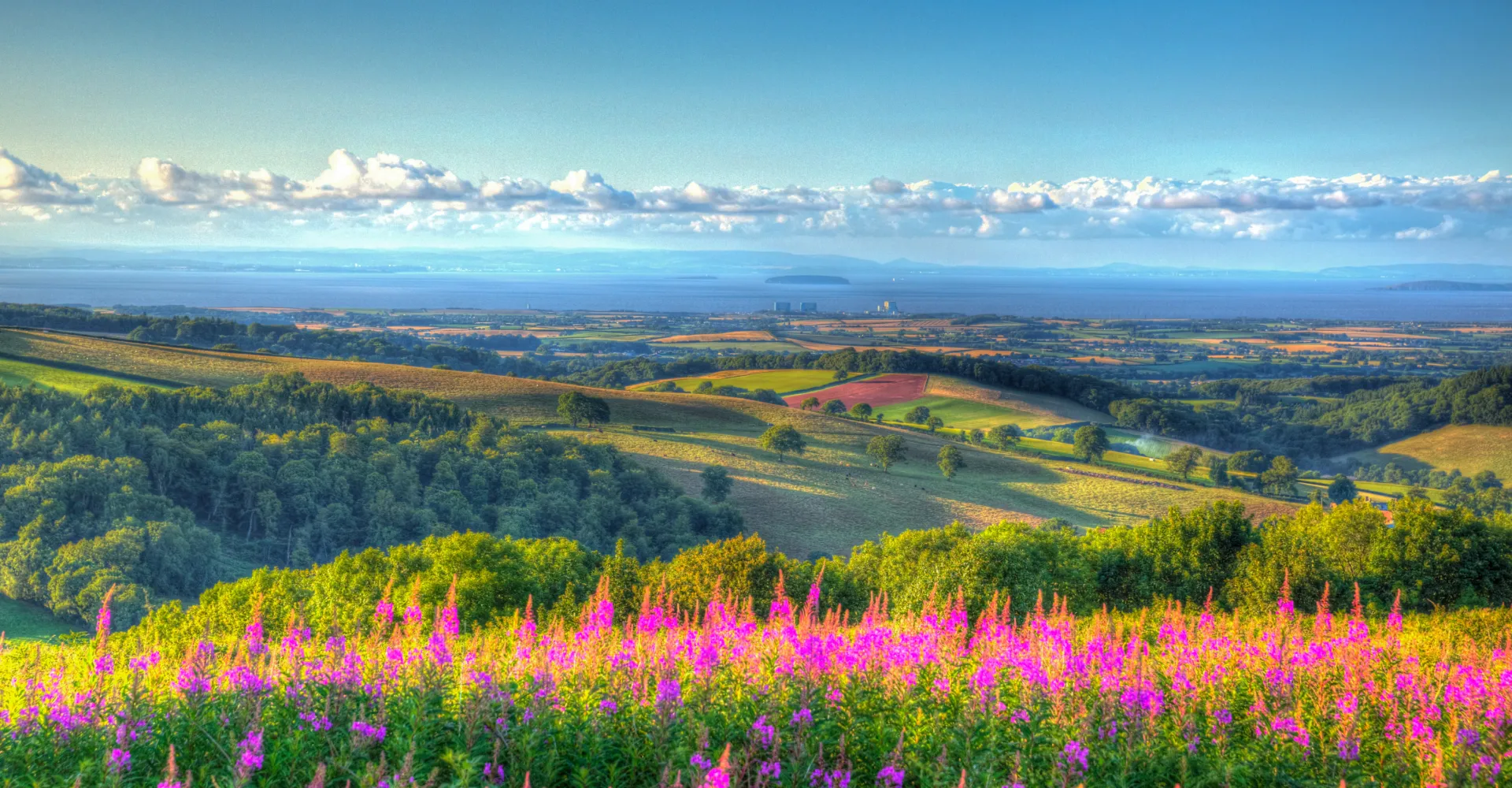
From the limestone landscapes of Somerset to Devon’s dramatic coastlines and open moorlands, the South West of England offers an outstanding variety of places to explore. While many travellers head straight for Cornwall, the gateway counties of Somerset and Devon hold some of the region’s most rewarding history, sandy beaches, historic towns, and spectacular walking routes—making them the perfect focus for your next getaway.
Travelling by leisure vehicle gives you the freedom to explore at your own pace, with the flexibility to stay longer in the places you love. With branches in Highbridge, Somerset, and Teigngrace, near Newton Abbot in Devon, Highbridge Caravans sits right at the heart of both counties. Collect a new vehicle, stock up on essential supplies, or launch your road trip straight from our doorstep—this guide highlights local attractions, nearby touring campsites, and practical advice to help you make the most of your West Country adventure.
Please note: Highbridge Caravans has no commercial affiliation with the attractions or campsites featured. This guide is for general information only. Please check opening times, facilities, availability and recent visitor reviews directly before travelling.
Somerset: A Landscape Shaped by Nature and History
Somerset is a county of contrasts. Its landscape moves from elevated hills and limestone country to low-lying wetlands, farmland and an expansive coastline. Traditional villages and historic settlements sit alongside important wildlife habitats, giving visitors plenty of opportunities to combine countryside exploration with cultural visits.
Its heritage reflects centuries of changing settlement, religious influence and agricultural life. This mix of rural traditions and historic architecture gives Somerset a distinctive character—from vibrant market towns to quiet, secluded countryside.
Devon: From Rugged Moorland to Sheltered Harbours
Devon offers a more rugged landscape, with open uplands at its centre and two contrasting coastlines. The north is exposed to Atlantic weather, while the south is known for sheltered coves, wooded estuaries and traditional maritime communities.
Its character is closely tied to the outdoors. Walking, sailing, wildlife watching and exploring historic estates all feature prominently, making Devon particularly appealing to touring visitors who enjoy combining active days with relaxed evenings at a countryside or coastal campsite.
Somerset Highlights and Nearby Touring Campsites
Several of the historic houses and gardens featured in this guide are looked after by the National Trust. If you plan to visit multiple National Trust properties during your tour, membership may offer good value, particularly if you intend to explore other National Trust locations during the year.
Cheddar Gorge and Wookey Hole Caves
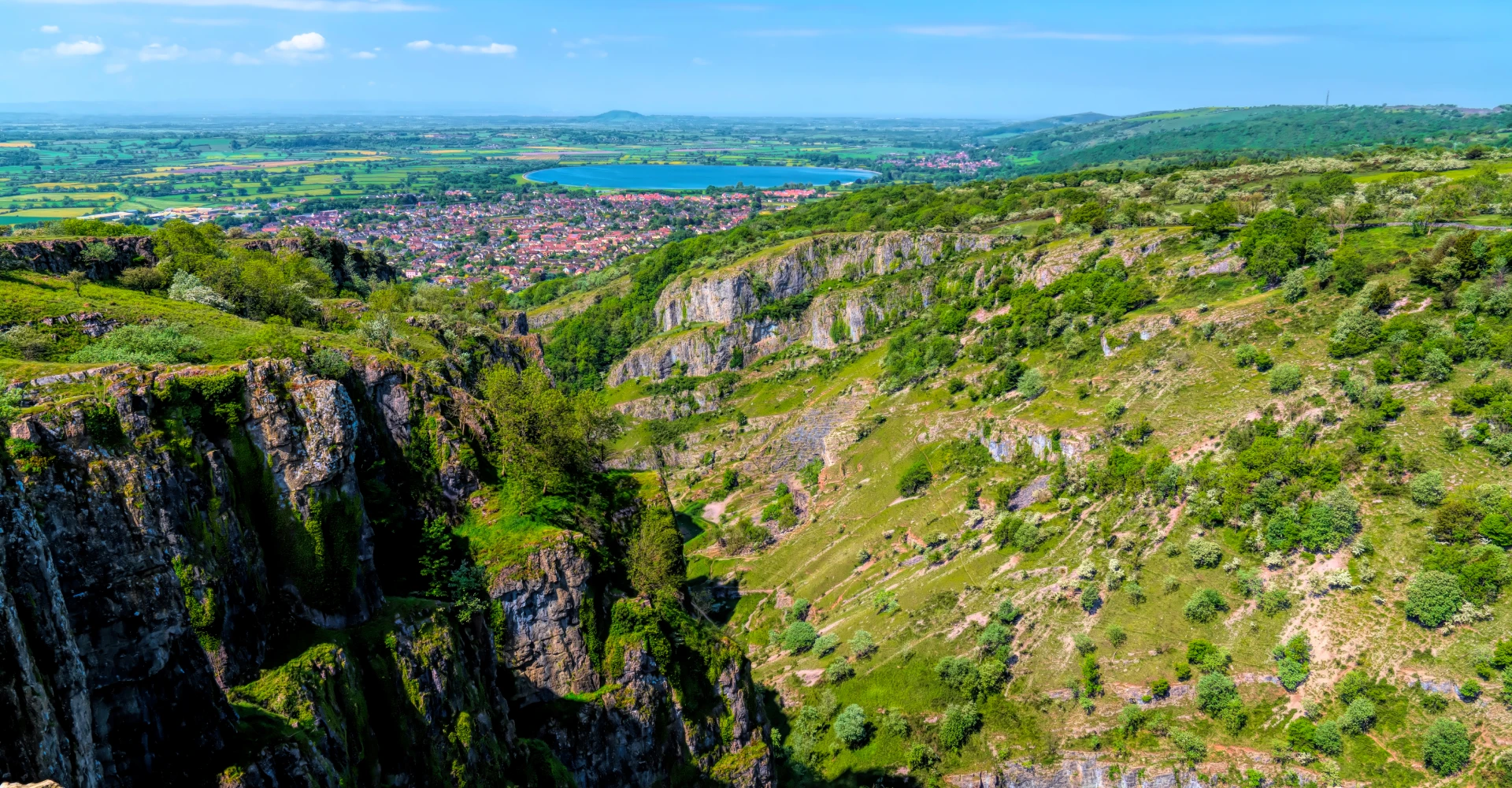
Cheddar Gorge is one of Somerset’s most recognisable natural landmarks. Its limestone cliffs rise to approximately 130 metres, creating dramatic views across the Mendip Hills. The gorge is also an important archaeological site. Gough’s Cave is where Cheddar Man was discovered in 1903. Dating to approximately 10,000 years ago, his remains provide valuable insight into life in Britain after the last Ice Age.
Visitors can explore the caves, walk towards the cliff-top viewpoints and discover Cheddar’s famous cheese-making traditions. The Cheddar Gorge Cheese Company produces traditional Cheddar locally, maturing some cheese in nearby caves.
A short drive away, Wookey Hole Caves features impressive underground chambers and passages shaped by the River Axe system.
Nearby campsite: Bucklegrove Holiday Park, near Rodney Stoke, provides a useful base for visiting both attractions. Check the available touring pitches when booking, particularly for trailer tents.
Touring tip: Cheddar Gorge’s winding road can be challenging for larger vehicles, so check vehicle dimensions and local access advice before travelling through it in a large motorhome.
Wells Cathedral and the Bishop’s Palace
Often described as England’s smallest city by population, Wells is a rewarding destination for architecture enthusiasts and visitors seeking a relaxed historic centre.
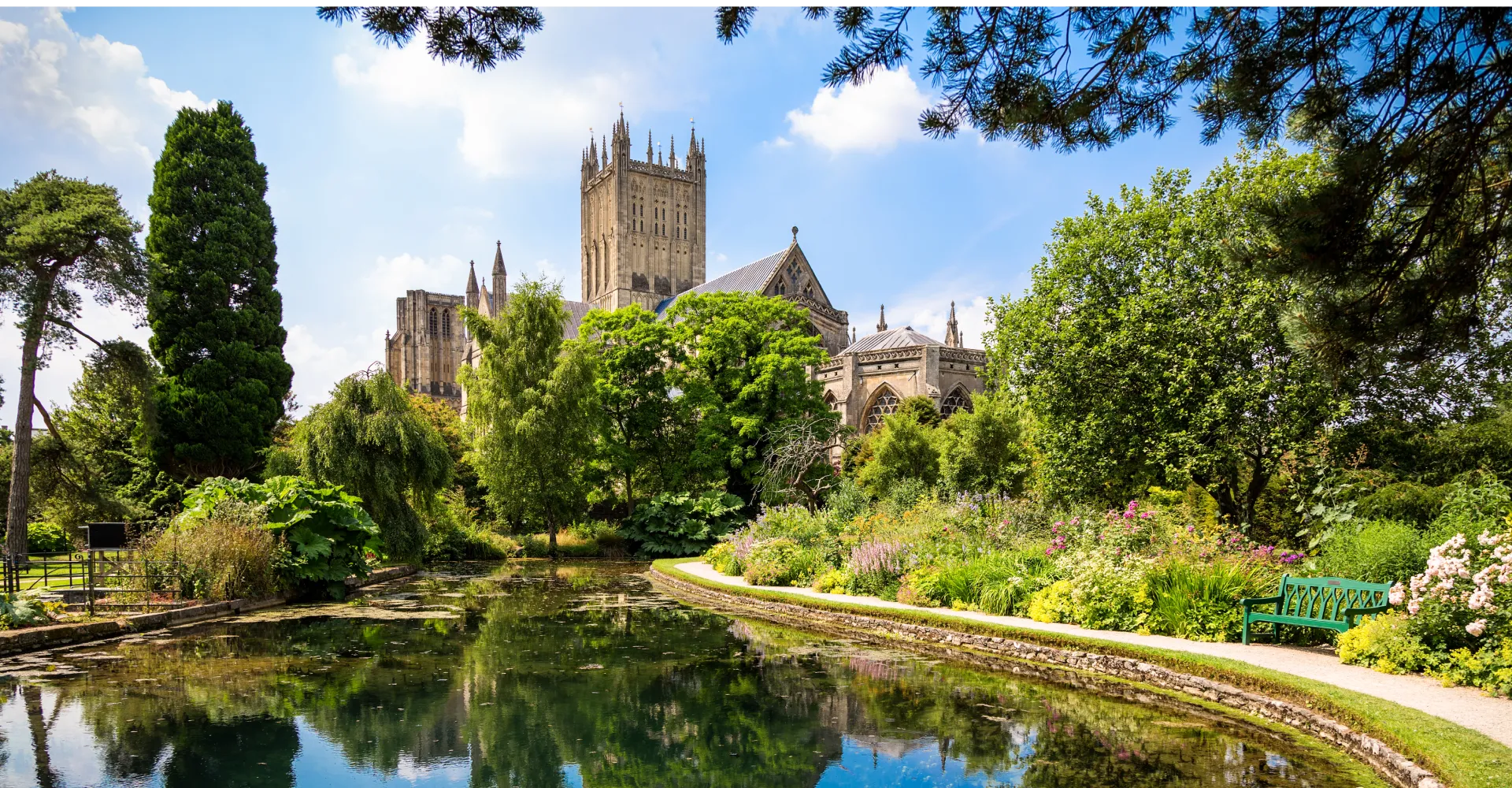
Construction of Wells Cathedral began in the late 12th century. It is particularly admired for its sculpted West Front, medieval stained glass and distinctive scissor arches, built between 1338 and 1348 to help support the central tower. Other highlights include:
- The astronomical clock: Dating to around 1390, it is one of Britain’s most important surviving examples of medieval clockmaking.
- The Bishop’s Palace: A medieval complex with a moat, gardens and resident swans famous for ringing a gatehouse bell to signal that they want feeding.
- Vicars’ Close: A remarkable medieval residential street, begun in 1348 and still serving its original purpose of housing members of the cathedral choir.
Wells is compact enough to explore on foot, making it easy to combine the cathedral, palace, independent shops and traditional places to eat in one visit.
Nearby touring campsite: Wells Touring Park is a short distance from the city centre, this adults-only touring park has all-weather pitches and accepts caravans, motorhomes, campervans and trailer tents. It is a particularly convenient choice for visitors who prefer to leave their leisure vehicle on site while exploring Wells.
Glastonbury Abbey, Glastonbury Tor and Burrow Mump
Glastonbury Abbey was once one of England’s most significant monastic institutions. The ruins reveal something of its former scale, while its association with King Arthur and Queen Guinevere adds an enduring layer of legend, although claims about their burial there remain unproven.
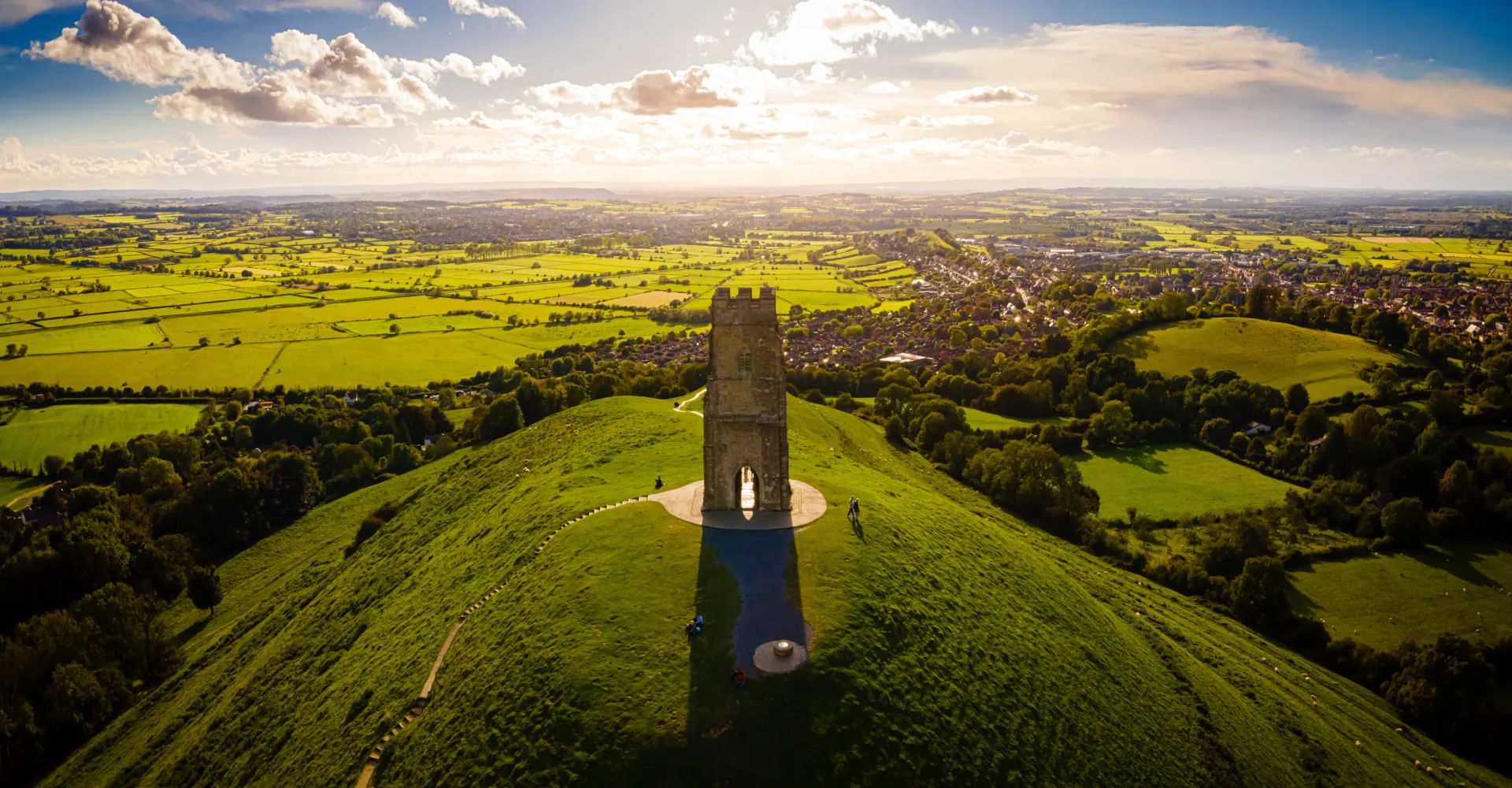
Nearby, Glastonbury Tor rises approximately 158 metres above the surrounding Somerset Levels, topped by the tower of St Michael’s Church. The climb rewards visitors with panoramic views in suitable weather. For another scenic viewpoint, visit Burrow Mump, where the remains of an unfinished 18th-century church stand on the site of an earlier medieval chapel, overlooking the surrounding wetlands
Nearby campsites:
- The Old Oaks Touring Park — A touring base near Glastonbury, convenient for the abbey, Tor and surrounding countryside.
- The Hideout Somerset — An adults-only campsite in the Somerset Levels that welcomes a range of touring units. Dogs are not permitted.
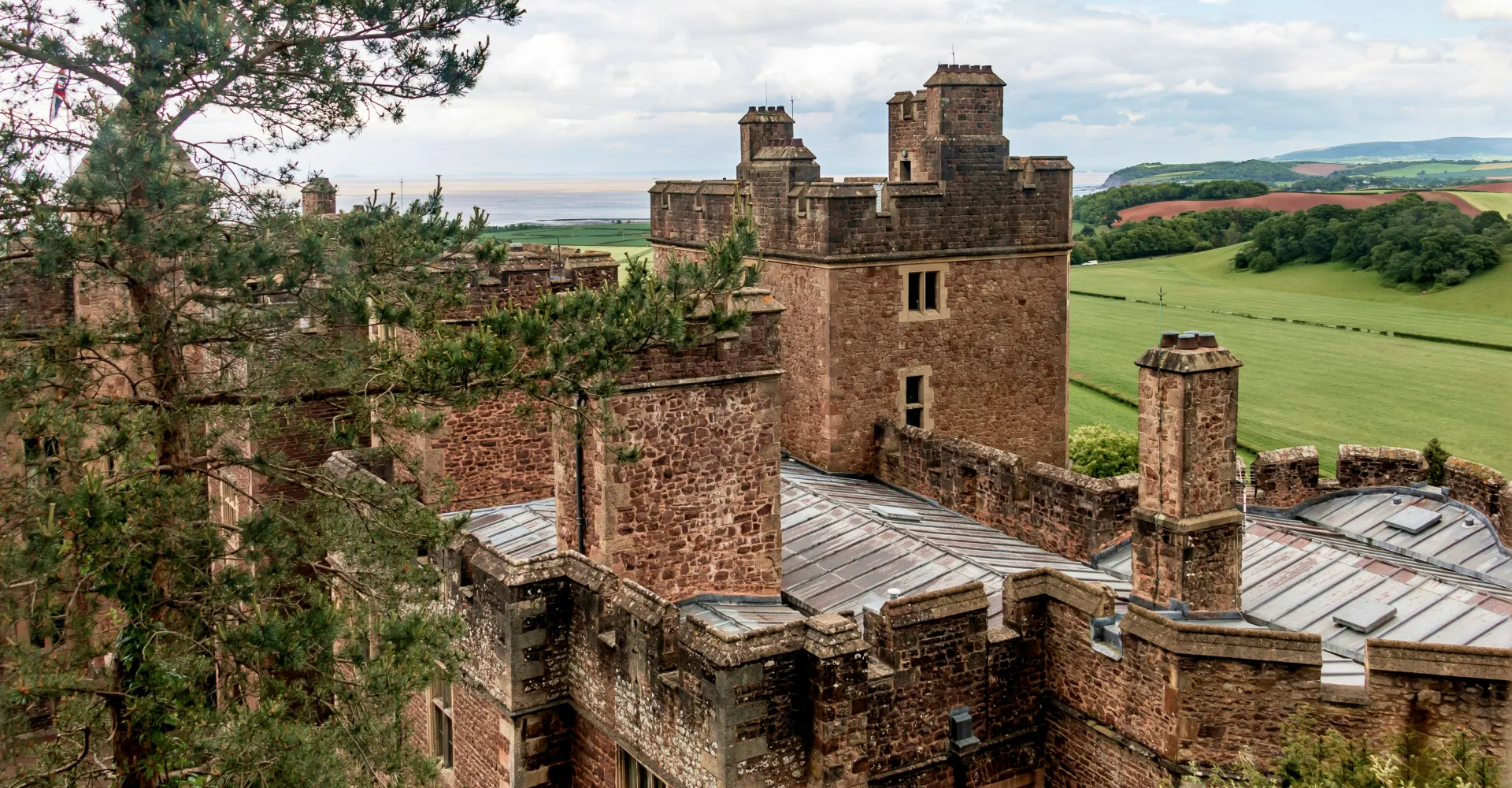
Dunster Castle and the West Somerset Railway
On the edge of Exmoor, Dunster is one of Somerset’s most attractive historic villages. Dunster Castle developed from a medieval stronghold into a Victorian residence, with historic rooms, terraced gardens and a working watermill. Nearby, the West Somerset Railway runs for more than 20 miles between Bishops Lydeard and Minehead. Its heritage trains pass through attractive countryside and historic stations, with opportunities to stop at places such as Watchet and Blue Anchor, depending on the timetable.
Nearby campsites:
- Minehead Club Campsite - A useful base for Dunster\, Minehead and the coastal railway. (Open to Club members only).
- Bishops Lydeard Caravan and Camping Site - Convenient for the railway’s eastern terminus and the Quantock Hills.
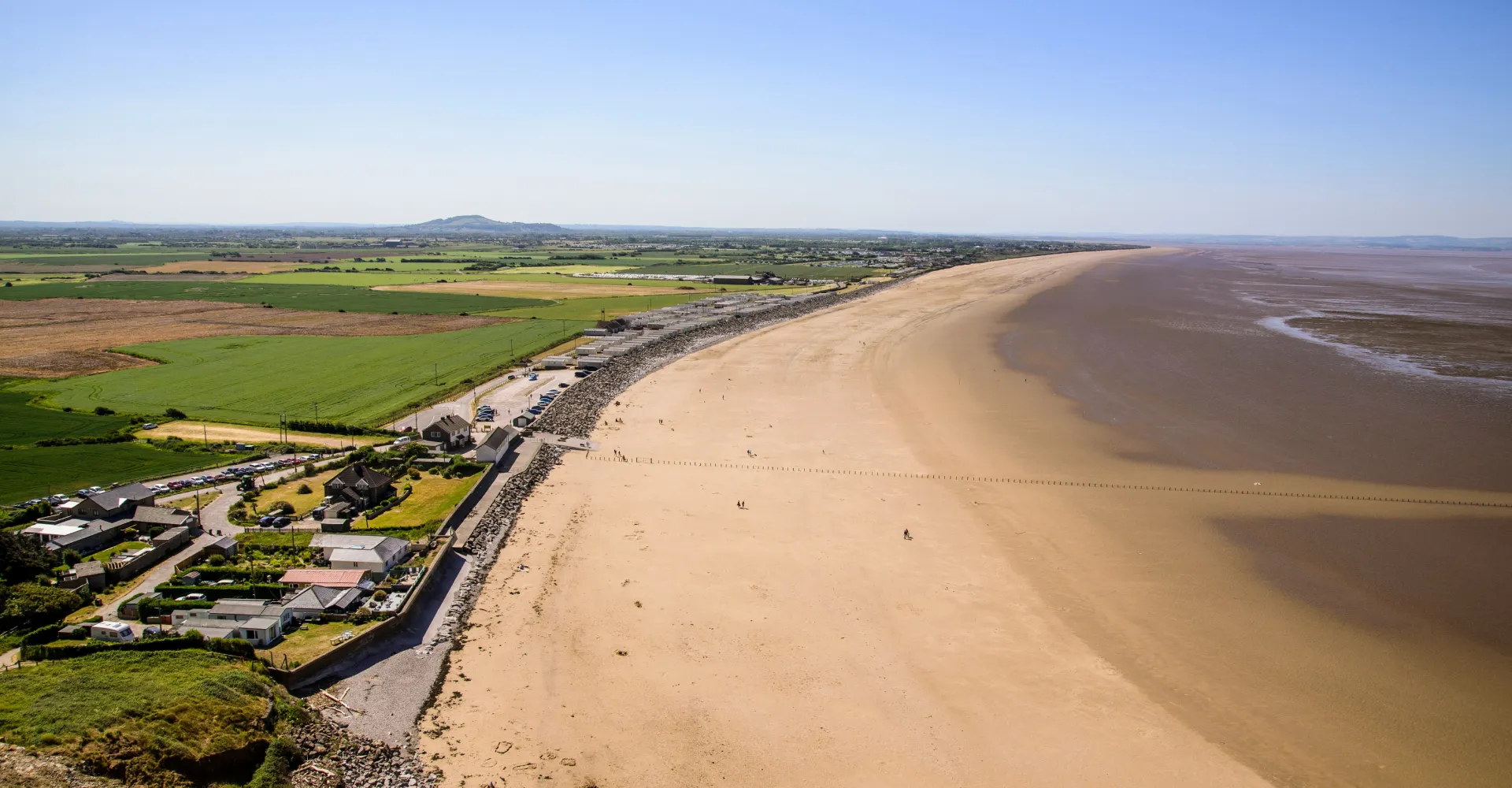
Brean Down, the Quantocks and the Somerset Levels
Somerset’s quieter landscapes offer an excellent change of pace from its major attractions.
- Brean Down: A limestone promontory extending into the Bristol Channel, with a Victorian fort and views towards Wales.
- The Quantock Hills: Wooded valleys, open heathland and panoramic viewpoints within a designated National Landscape.
- The Somerset Levels: Waterways, meadows and traditional villages that are ideal for birdwatching, cycling and exploring rural heritage.
Nearby campsites:
- Hurn Lane Club Campsite - Well placed for Brean Down\, Berrow Beach and the surrounding coast.
- Myrtle Farm Campsite - Near Banwell and Weston-super-Mare\, with access to North Somerset’s coast and countryside.
Touring tip: Check the access arrangements for larger touring outfits before setting off, particularly where narrow approach roads are involved.
Devon Highlights and Nearby Touring Campsites
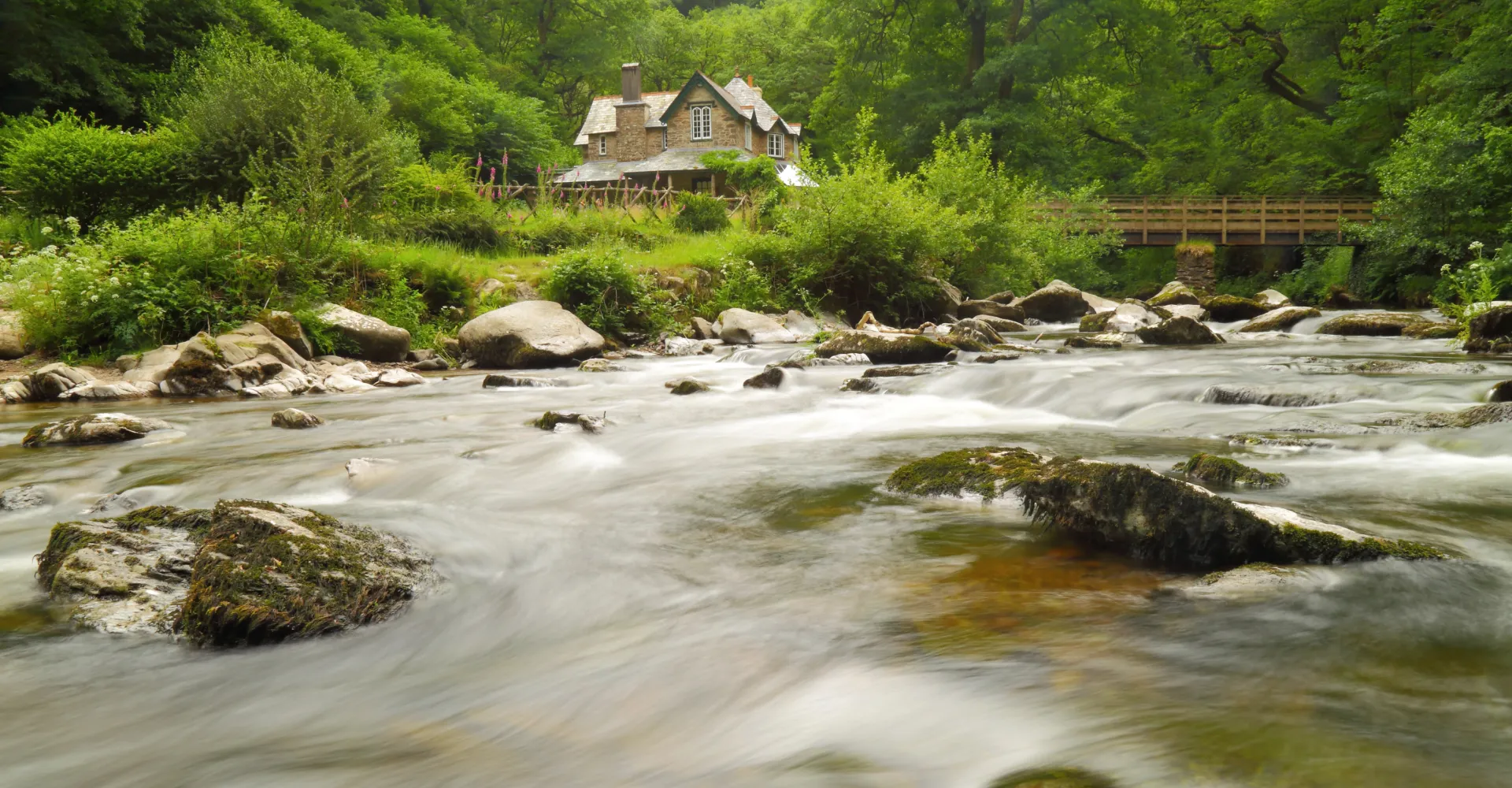
North Devon Coast and Exmoor National Park
Although Exmoor National Park lies mostly within Somerset, around a third of the park extends into Devon, making it an important part of the county's natural landscape too. We've included it here because its Devon side offers some wonderful places to explore, with open moorland, wooded valleys, dramatic cliffs and easy access to the wider North Devon coastline.
- Heddon Valley: A beautiful wooded valley within Exmoor National Park, where walking trails follow the River Heddon towards the coast and the dramatic cliffs around Heddon's Mouth.
- Valley of Rocks: Just outside Lynton, this striking coastal landscape is known for its unusual rock formations, sweeping sea views and resident feral goats.
- Woolacombe Beach: One of North Devon's best-known beaches, with a long stretch of golden sand popular with surfers, families and walkers.
- Ilfracombe: A traditional seaside town with a picturesque harbour, independent shops, coastal walks and the striking Verity sculpture overlooking the waterfront.
Nearby campsites:
- Little Roadway Farm Campsite - Near Woolacombe\, this is a useful touring base for exploring the North Devon coastline\, including Ilfracombe and the surrounding beaches.
- Sunnymead Farm Camping and Touring Site - Another option close to Woolacombe\, offering access to the area's beaches and coastal attractions.
Touring tip: Exmoor's Devon side and the North Devon coast include narrow country lanes, steep gradients and challenging coastal roads. Check your route carefully before travelling, particularly if towing a larger caravan or driving a sizeable motorhome.
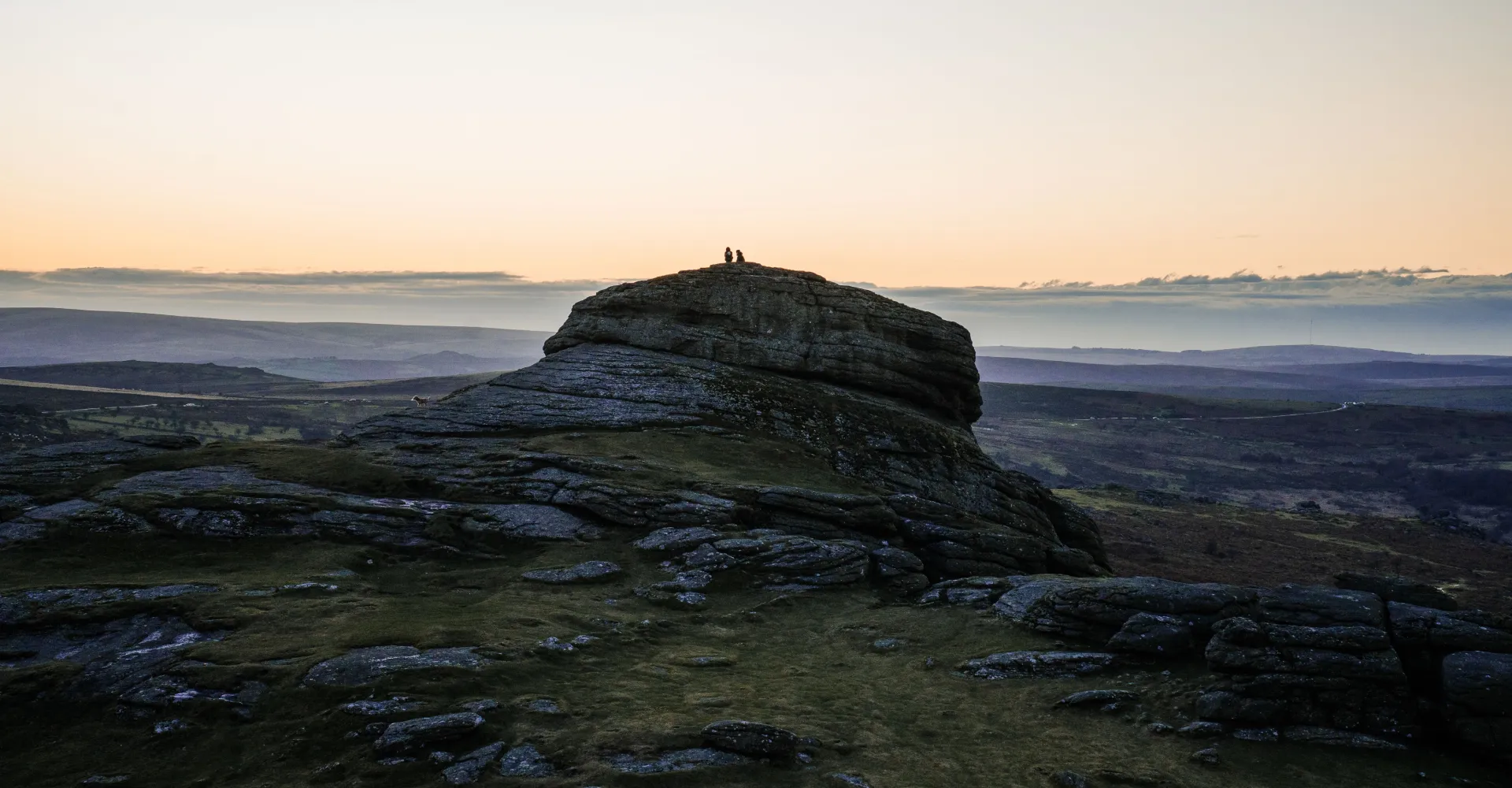
Dartmoor National Park and Castle Drogo
Dartmoor’s granite tors, open moorland and river valleys provide some of Devon’s most distinctive scenery. Prehistoric monuments and historic farmsteads reveal thousands of years of human activity. On the northern edge of the moor, Castle Drogo overlooks the Teign Gorge. Designed by Sir Edwin Lutyens and built between 1911 and 1930, it is widely recognised as the last castle built in England.
Visitors can explore the castle’s architecture and collections, enjoy the gardens or follow walking routes overlooking the gorge.
Nearby campsites:
- Barley Meadow Touring Park - An adults-only touring park on the edge of Dartmoor\, convenient for Castle Drogo.
- River Dart Country Park - A family-friendly touring base near Ashburton\, well placed for southern Dartmoor.
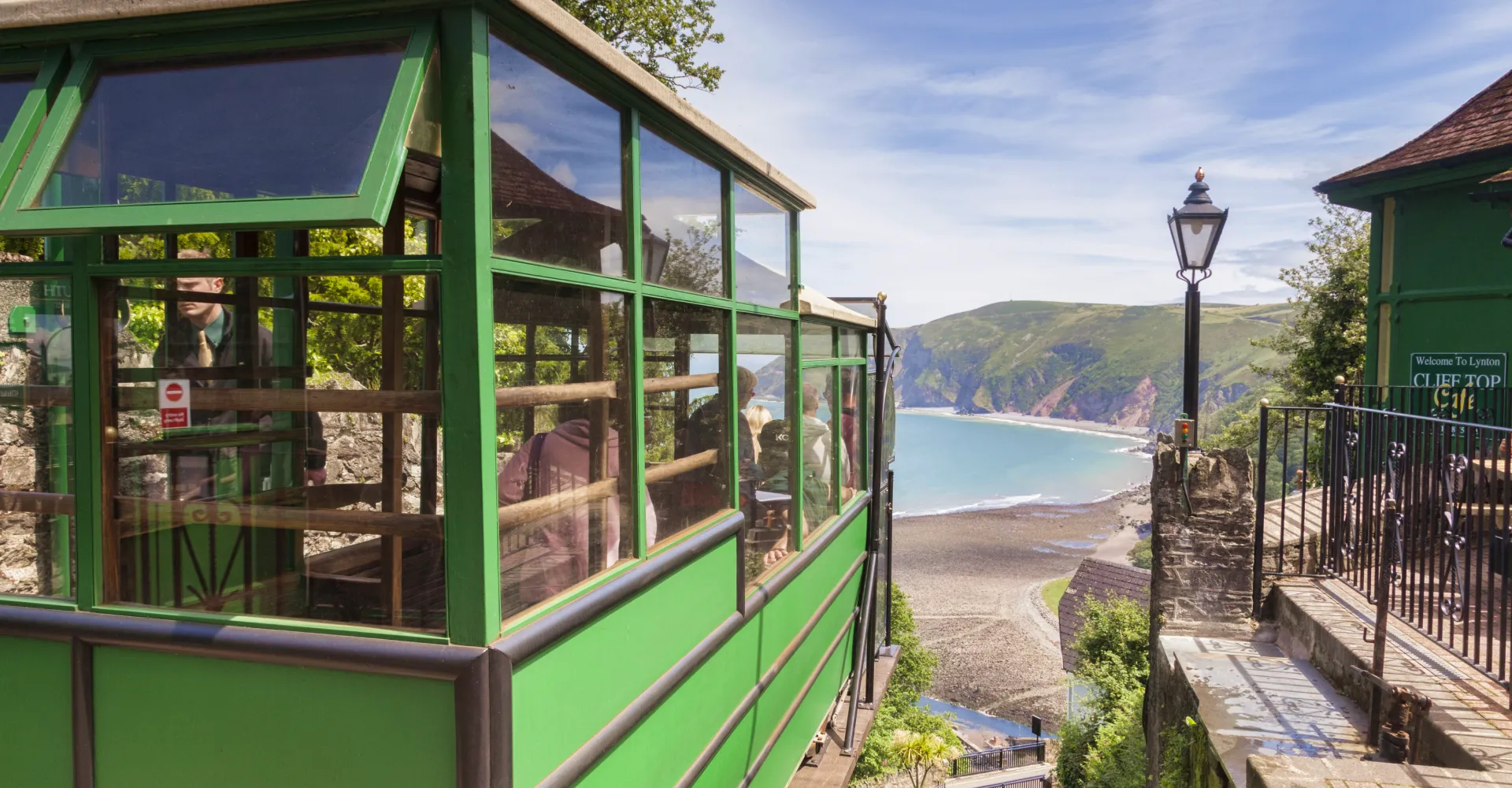
Lynton and Lynmouth Cliff Railway
Opened in 1890, the Lynton and Lynmouth Cliff Railway is the UK's only fully water-powered railway. It connects the Victorian town of Lynton with the harbour village of Lynmouth, descending approximately 500 feet down the hillside using water and gravityThe journey offers wonderful views across the coastline, while both villages are worth exploring for their independent shops, cafés and traditional seaside atmosphere.
Nearby campsites:
- Lynton Camping and Caravanning Club Site - Around two miles from the railway by road\, this touring site offers grass and hardstanding pitches for caravans\, motorhomes and trailer tents.
- Sunny Lyn Holiday Park - Set in a wooded valley alongside the West Lyn River, this small holiday park offers touring pitches and is conveniently located for visiting both Lynton and Lynmouth.
Other Honorable Mentions
There is far more to discover across Somerset and Devon than we can fit into one touring guide. The selection below offers additional inspiration, whether you are planning your itinerary or looking for rainy-day alternatives when the weather turns.
Historic Towns, Houses and Gardens
- Montacute House (Montacute, near Yeovil, Somerset): A striking Elizabethan mansion built from golden Ham stone, surrounded by formal gardens and historic parkland. A worthwhile stop for architecture and garden enthusiasts.
- Barrington Court (Barrington, near Ilminster, Somerset): A Tudor estate with historic buildings, orchards and attractive garden rooms. Its peaceful grounds make it a pleasant stop for a relaxed afternoon.
- Tyntesfield (Wraxall, near Bristol, North Somerset): An elaborate Victorian Gothic Revival house with richly decorated interiors, gardens and extensive parkland.
- Lytes Cary Manor (near Somerton, Somerset): An atmospheric medieval manor house with an Arts and Crafts-inspired garden, orchard and peaceful estate walks.
- Bath (Bath, Somerset): A world-renowned UNESCO World Heritage site celebrated for its honey-coloured Georgian architecture and natural thermal springs. Visitors can explore the ancient Roman Baths, admire the sweeping curves of the Royal Crescent, or enjoy exceptional shopping and dining in a truly striking urban setting.
- Frome (Frome, East Somerset): One of Somerset’s most picturesque historic market towns, famous for its steep, cobbled streets (such as Catherine Hill) packed with independent boutiques, craft shops, and a renowned monthly independent market.
- Killerton (Broadclyst, near Exeter, Devon): A Georgian country house surrounded by extensive parkland and gardens, with an impressive historic fashion collection.
- Knightshayes (Bolham, near Tiverton, Devon): A Victorian Gothic Revival house with distinctive interiors, formal gardens and woodland walks.
- Arlington Court (near Barnstaple, North Devon): A Regency house and estate best known for its collection of horse-drawn carriages. The surrounding grounds also offer attractive walking routes.
- Coleton Fishacre (Kingswear, near Dartmouth, South Devon): A 1920s country retreat with Art Deco interiors and a lush coastal garden featuring exotic plants and sea views.
- Exeter (Exeter, Devon): Devon’s historic capital city blends thousands of years of heritage with a vibrant, walkable centre. Dominated by its magnificent 15th-century Gothic cathedral, the city features underground medieval passages, sections of ancient Roman walls, and a bustling waterside Quay filled with independent cafes and antique shops.
- Totnes (Totnes, South Devon): A vibrant, fiercely independent market town nestled along the River Dart. Known for its bohemian atmosphere, a historic Norman castle keep, and a medieval street layout lined with alternative shops, local artisan food stalls, and a thriving creative community.
Museums, Heritage Collections and All-Weather Attractions
- The Museum of Somerset (Taunton, Somerset): Based in Taunton Castle, this museum explores the county’s history through archaeology, historic objects and displays covering life in Somerset from early times to the present day.
- Somerset Rural Life Museum (Glastonbury, Somerset): Discover traditional farming, rural crafts and everyday life in the county, including the impressive medieval Abbey Barn.
- Fleet Air Arm Museum (Yeovilton, near Yeovil, Somerset): Explore British naval aviation through historic aircraft, artefacts and interactive displays. The collection includes Concorde 002, the British prototype used for flight testing.
- Haynes International Motor Museum (Sparkford, near Yeovil, Somerset): Home to more than 300 vehicles, this museum traces the development of motoring from early automobiles to modern performance cars. A great option for car enthusiasts and families.
- The Helicopter Museum (near Weston-super-Mare, Somerset): Houses more than 100 rotary-wing aircraft, including historic military and civilian helicopters. Special events and opportunities to explore selected cockpits add to the experience.
- Shepton Mallet Prison (Shepton Mallet, Somerset): Guided tours explore the buildings and history of a former prison that operated from the 17th century until its closure in 2013. Check tour availability before visiting.
- Royal Albert Memorial Museum and Art Gallery (Exeter, Devon): A world-class museum covering Devon and Exeter’s rich history, fine art, natural history, and world cultures through interactive displays, making it a premier all-weather stop in the city centre.
- The Box (Plymouth, Devon): Devon's flagship multi-award-winning museum, art gallery, and archive. It houses stunning permanent collections, dramatic contemporary art installations, and state-of-the-art galleries chronicling Plymouth's profound maritime and naval heritage.
- Kents Cavern (Torquay, Devon): Explore prehistoric caves, geological formations and evidence of early human occupation through guided tours. Its combination of natural history and underground exploration makes it an engaging family excursion.
- Bygones (St Marychurch, Torquay, Devon): A nostalgic indoor attraction featuring thousands of genuine artefacts, recreated historic Victorian streets and displays illustrating everyday British life in previous generations.
- House of Marbles (Bovey Tracey, near Newton Abbot, Devon): A family-friendly attraction featuring glassmaking, marble runs, pottery displays and unusual gift shops. It is a good addition to a Dartmoor touring itinerary.
- Museum of Dartmoor Life (Okehampton, Devon): Discover how people have lived and worked on Dartmoor through exhibits covering farming, mining, crafts and local traditions.
Let’s Get You Ready for the Road
From exploring Somerset’s countryside to discovering Devon’s dramatic coastline, the right leisure vehicle can make every touring holiday even more enjoyable.
At Highbridge Caravans, we’re here to help you make the most of your next adventure. Whether you’re buying your first touring caravan, considering an upgrade or looking for a motorhome or campervan to take you further afield, our team is on hand to help you find the right vehicle for your needs. With a wide range of leisure vehicles, accessories and servicing options, we can help you prepare for everything from a weekend exploring the West Country to longer trips across the UK and beyond.